

In recent years, probiotics have emerged as a popular topic in health and wellness. But what exactly are they, and why should they matter to your kids? If you’ve ever wondered if these tiny “good bacteria” could be the missing link in your child’s diet, you’re not alone. Let’s explore the role probiotics play in supporting children’s health and well-being.
What Are Probiotics?
Probiotics are live bacteria and yeasts that provide numerous benefits to the digestive system. Often called “good” or “friendly” bacteria, they help balance the gut microbiome, which is home to trillions of microbes that play a role in digestion and overall health. While bacteria often get a bad reputation, not all are harmful—in fact, a healthy gut needs a mix of good and bad bacteria to function properly.
For kids, probiotics help with digestion, strengthen the immune system, and even impact brain health and mood. But are they getting enough?
Why Kids Need Probiotics
1. Gut Health and Digestion
Children are exposed to various types of bacteria—some beneficial, others not. The digestive system, home to a diverse population of microbes known as the gut microbiota, is vital for breaking down food, absorbing nutrients, and promoting regular bowel movements. When the balance of good bacteria is disrupted, it can lead to digestive issues.
Studies show that probiotics can help relieve common childhood digestive problems, such as constipation, diarrhea, and irritable bowel syndrome (IBS). For instance, a 2010 study published in Pediatrics found that children who took probiotics experienced fewer and shorter episodes of antibiotic-related diarrhea. Another study highlighted that strains like Lactobacillus rhamnosus and Bifidobacterium can reduce IBS symptoms in children.
2. Immune System Support
Did you know that 70-80% of the immune system resides in the gut? Maintaining a healthy balance of beneficial bacteria is crucial in defending against harmful pathogens. This is especially important for children, whose immune systems are still developing.
A 2015 study in the European Journal of Clinical Nutrition found that children who consumed probiotics had a reduced risk of respiratory infections compared to those who didn’t. Another study in Clinical Nutrition found that probiotics shortened the duration and severity of common colds in kids, proving their potential to support immune health.
3. Mental Health and Mood
The gut-brain connection is a fascinating concept, with the gut often referred to as the “second brain.” The gut communicates with the central nervous system through the gut-brain axis, influencing mood and mental health. For children, probiotics may help with behavioral issues, anxiety, and overall emotional well-being.
Research published in Nature Reviews Gastroenterology & Hepatology suggests that probiotics can positively affect brain chemistry, helping with anxiety, depression, and cognitive function. While more research is needed, early findings suggest probiotics may offer mental and emotional benefits, particularly for children with gut imbalances.
Common Sources of Probiotics for Kids
If you’re thinking about incorporating probiotics into your child’s diet, you’re in luck! Many kid-friendly foods contain natural probiotics, making it easy to include these beneficial bacteria in daily meals.
1. Yogurt
Yogurt is one of the most common sources of probiotics. Look for labels that say “live and active cultures” to ensure that it contains probiotics. Be cautious of added sugars in commercial yogurts, though—plain yogurt with fresh fruit is a healthier option.
2. Kefir
Kefir is a fermented milk drink rich in probiotics, often containing more strains than yogurt. It has a slightly tangy taste and can be blended into smoothies, making it an easy and tasty option for kids.
3. Sauerkraut and Kimchi
These fermented vegetables are packed with live cultures and are a fun addition to meals. While more common in adult diets, some kids may enjoy the crunchy, tangy taste.
4. Probiokidz ME
Should your child have a limited diet, probiotic supplements should come in powder like Probiokidz ME. Probiokidz ME is a highly studied strain for children containing Lactobacillus Helveticus Rosell-52 and Bifidobacterium Longum Rosell-175 from the Roselle Institute in Canada. It helps with children’s digestive issues like diarrhoea, constipation, and low appetite and increases children’s immune systems, like a booster.
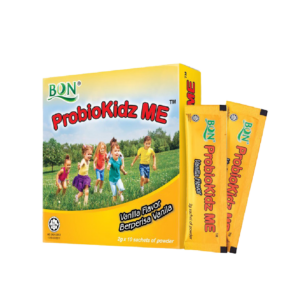
ProbioKidz Micro-Encapsulated (10 Sachets)
How to Introduce Probiotics to Your Child’s Diet
If you’re new to probiotics, start by introducing small amounts into your child’s meals. A spoonful of yogurt in the morning or kefir mixed into a smoothie is an easy way to begin. Observe how your child responds, and consult a pediatrician if they have specific health concerns.
While probiotics are generally safe for children, sensitivities can vary. If your child has a compromised immune system or other health issues, it’s important to consult with a healthcare provider before introducing supplements.
Conclusion
From gut health to immune support and even mental well-being, probiotics could indeed be the missing link in your child’s diet. With easy access to probiotic-rich foods and supplements, nurturing your child’s gut health is easier than ever and could set the foundation for a lifetime of wellness.
While research is still ongoing, early findings suggest that these beneficial bacteria could play an essential role in your child’s overall development. So, why not start adding some good bacteria to your child’s diet today?